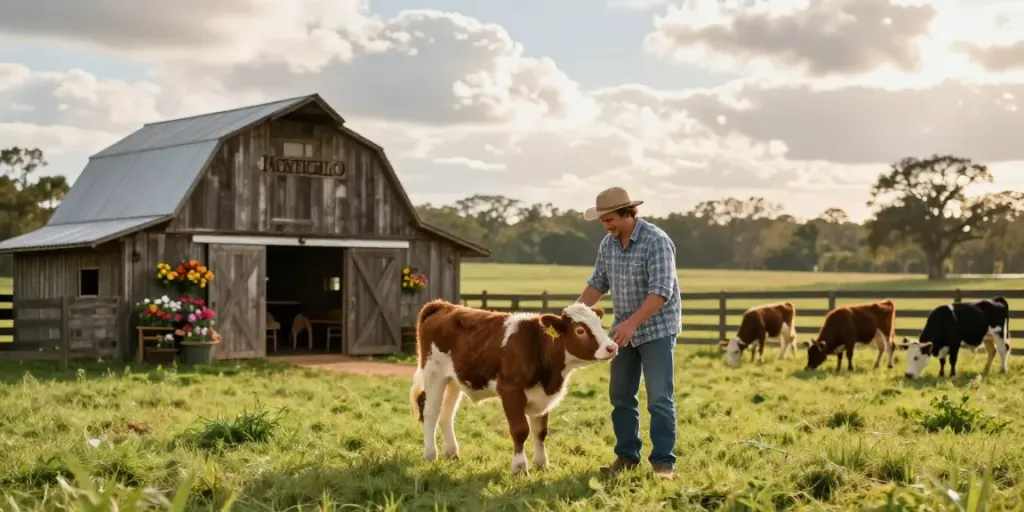
Understanding Miniature Cows for Sale
Miniature cows are an increasingly popular choice for livestock enthusiasts, hobby farmers, and families looking for unique pets. These charming animals are not only visually appealing but also offer a range of benefits, making them an excellent addition to small farms or backyards. When searching for miniature cows for sale, it’s important to understand the different breeds available, the advantages of owning these smaller cattle, and what to expect regarding care and upkeep.
What Are Miniature Cows?
Miniature cows are scaled-down versions of standard cattle breeds, typically standing between 36 inches and 48 inches tall at the shoulder. Despite their smaller size, these cows retain the same characteristics as their larger counterparts, including gentle dispositions and varied physical traits. Breeds commonly found in miniature form include Mini Hereford, Mini Jersey, and various Highland crossbreeds, each offering unique colors and appearances.
Benefits of Owning Miniature Cattle
- Space Efficiency: Miniature cows require less space compared to standard-sized cattle, making them ideal for small farms or even larger backyards.
- Lower Feed Costs: Due to their smaller size, miniature cows consume less feed, ultimately lowering the cost of ownership.
- Gentle Temperament: Many miniature breeds are known for their calm and friendly nature, making them suitable for families and children.
- Versatile Uses: These cows can serve multiple purposes, including companionship, milk production, and even as a source of meat.
Different Breeds of Miniature Cows
There are several notable breeds of miniature cows that cater to various needs and preferences. Below are some of the most popular:
- Mini Hereford: Known for their docile nature and robust build, they make excellent pets and are also raised for beef.
- Mini Jersey: These cows are smaller than standard Jerseys and are highly regarded for their rich milk production.
- Mini Highland: With their long, shaggy coats and friendly demeanors, Mini Highlands are an appealing choice for many farmers.
- HighPark: This breed is a cross between Miniature Herefords and Dexter cattle, recognized for their compact size and excellent temperament.
How to Choose the Right Miniature Cow
Selecting the right miniature cow requires careful consideration of several factors. By assessing your needs, evaluating breeders, and understanding genetic traits, you can make a more informed choice.
Assessing Your Farm and Needs
Before purchasing, assess your available space, the purpose of the cow (beef, milk, or companionship), and your budget. Miniature cows can thrive in smaller environments, but ensuring that they have adequate pasture and shelter is crucial for their health and happiness.
Evaluating Breeders and Their Practices
Research potential breeders to ensure they follow ethical and sustainable practices. Reputable breeders will provide health records, breeding histories, and genetic information, allowing you to make a well-informed decision. Look for reviews and testimonials from previous customers to gauge breeder reliability.
Understanding Genetic Traits and Health Checks
It's important to understand common health issues and genetic disorders that may affect miniature cow breeds. A trusted breeder should perform health checks on their animals and provide documentation proving their health status. This information is critical in choosing a healthy and robust miniature cow.
The Buying Process for Miniature Cows
Once you have identified a suitable miniature cow, understanding the purchasing process is essential to ensure a smooth transaction.
Steps to Inquire About Available Miniature Cows
To initiate the buying process, contact the breeder or farm directly to inquire about available animals. Ensure you have a list of questions ready regarding the cow's history, health, and any specific requirements for care.
Understanding Pricing and Payment Options
The price of miniature cows can vary widely depending on breed, age, and health status. Generally, buyers should expect to spend anywhere from $1,500 to $5,000 for a mini cow, with some rare breeds priced even higher. Payment plans or financing options may be available from certain breeders, so be sure to ask about this when inquiring.
Required Paperwork and Ownership Transfer
Upon finalizing your purchase, ensure that you complete all necessary paperwork, including ownership-transfer documents and health certificates. This step is vital for legal ownership, especially if you plan to transport the cow across state lines.
Transportation and Delivery of Miniature Cows
Effective transportation is crucial to ensure the safety and comfort of your newly purchased miniature cow during the journey to its new home.
Arranging Safe Transportation Across the USA
Most reputable breeders will offer transportation services or can recommend reliable transporters. Ensure that the transportation company is experienced in handling livestock to minimize stress for your animal. Verify that all safety protocols are in place, including proper ventilation and space in the transport vehicle.
Preparing for Arrival: What to Expect
Before your cow arrives, prepare your farm by setting up a clean, secure, and comfortable space for the animal. Make sure you have fresh water available, as well as a suitable feeding schedule established. Being prepared will help your new cow acclimate to its surroundings more quickly.
Post-Delivery Care for Your New Miniature Cow
Once your miniature cow has arrived, monitor its health and behavior closely as it adjusts to its new environment. Providing quality feed, proper veterinary care, and plenty of social interaction will help your new addition thrive.
Frequently Asked Questions About Miniature Cows
Many potential buyers have common inquiries regarding miniature cows. Here are some frequently asked questions that can aid in your decision-making process.
How much does a mini cow cost?
The cost of miniature cows can vary greatly based on several factors, including breed, age, and lineage. On average, prices range from $1,500 to $5,000, but rare breeds can command higher prices.
What is the lifespan of a miniature cow?
Miniature cows typically have a lifespan similar to standard cattle, ranging from 15 to 25 years, depending on their care and health.
Are miniature cows good for small farms?
Yes, miniature cows are well-suited for small farms or even larger residential properties. They require less space and food compared to traditional cattle, making them a practical choice for limited environments.
Can I raise miniature cows as pets?
Absolutely! Miniature cows can make wonderful pets due to their friendly and gentle nature. They can develop strong bonds with their owners and can be trained for basic commands.
What do I need to know before buying a mini cow?
Before purchasing a mini cow, consider the animal's needs for space, diet, and care. It's also essential to choose a reputable breeder and to be prepared for the long-term commitment of cow ownership.