The Journey of Vietnamese Travel: A Historical Overview
Vietnam's travel industry has evolved remarkably over the last few decades, transforming the country into one of the most sought-after destinations in Southeast Asia. This change is not merely a result of its stunning landscapes, rich history, and vibrant culture, but also due to the increasing demand for unique travel experiences. With its fascinating historical landmarks, diverse culture, and picturesque nature, Vietnam is a hub for travelers seeking both adventure and peace. For comprehensive insights into traveling in Vietnam, visit https://joeyvisavietnam.com/.
How Vietnam Became a Top Travel Destination?
Vietnam’s rise as a prominent travel destination can be attributed to its rich historical tapestry and natural beauty. Following the economic reforms known as Đổi Mới in the late 1980s, Vietnam opened its doors to international tourism. This was a watershed moment that marked the beginning of a new era for Vietnamese tourism. The influx of foreign visitors led to significant investments in infrastructure, which further enhanced the country's appeal. By attracting visitors with its famous landmarks such as Ha Long Bay, the ancient town of Hoi An, and the bustling streets of Ho Chi Minh City, Vietnam established itself as a top choice for travelers worldwide.
Historical Landmarks and Their Significance
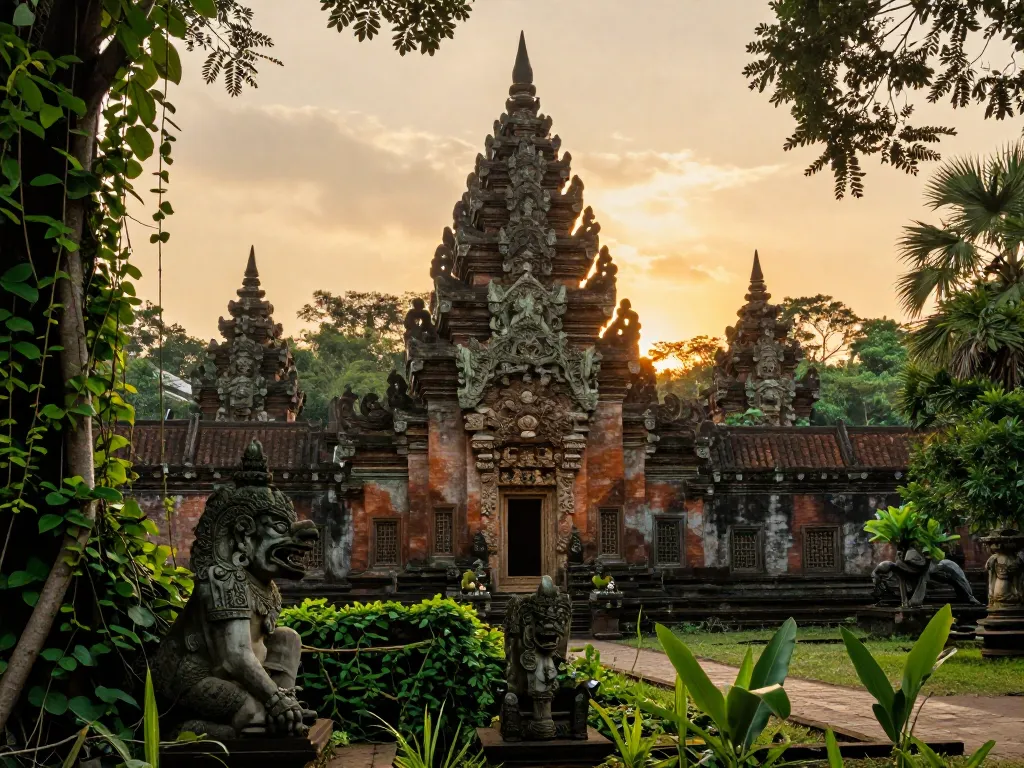
Vietnam is adorned with historical landmarks that reflect its rich heritage and cultural diversity. Key sites like the Imperial City of Hue, a UNESCO World Heritage Site, offer a glimpse into the dynastic past of Vietnam, showcasing its architectural marvels and intricate designs. Similarly, the My Son Sanctuary, another UNESCO-listed site, provides a window into the ancient Cham civilization. These landmarks not only serve as tourist attractions but also as reminders of the country’s historical struggles and triumphs.
Cultural Evolution of Vietnam's Tourism Industry
The cultural evolution of Vietnam's tourism industry is a fascinating topic. Initially dominated by eco-tourism and cultural tourism, the country's tourism sector has expanded to include adventure tourism, wellness tourism, and luxury offerings. Over time, local customs and traditions have been integrated into tourism experiences, making them more authentic and engaging for visitors. This evolution reflects not just a change in tourist preferences but also a broader understanding among local communities regarding the importance of preserving their heritage while welcoming guests.
Understanding Vietnam's Diverse Landscapes and Attractions
Vietnam is a country of diverse landscapes, ranging from its mountainous northern regions to the tropical Mekong Delta in the south. Each geographical area offers unique attractions, catering to different types of travelers. Whether you're an outdoor enthusiast looking for adventure or a culture lover seeking to learn, Vietnam has something for everyone.
Exploring Natural Wonders: Mountains, Beaches, and Rivers
The natural wonders of Vietnam are awe-inspiring and varied. The northern region features the dramatic landscapes of Sapa with its terraced rice fields and the majestic Fansipan Mountain, the highest peak in Indochina. In contrast, the central coastline is famous for its stunning beaches, such as My Khe and An Bang, while the Mekong Delta fascinates with its network of rivers and floating markets. Each of these locations not only showcases the natural beauty of Vietnam but also provides unique cultural experiences.
Top Cultural Festivals and Events to Experience
Vietnam is rich in cultural traditions, many of which are celebrated through vibrant festivals throughout the year. Events such as Tết Nguyên Đán, the Lunar New Year, are celebrated with elaborate rituals, food offerings, and family gatherings. Other notable festivals include the Mid-Autumn Festival, celebrated with lantern parades and mooncakes, and the Hàng Gai Festival, which showcases traditional crafts and performances. These festivals are not only enjoyable but also offer deep insights into the values and beliefs of the Vietnamese people.
Popular Cities and Their Unique Offerings
Vietnam’s cities each have distinct vibes and attractions. Ho Chi Minh City, with its bustling markets and colonial architecture, contrasts with the serene streets of Hanoi, known for its rich history and cultural sites. Da Nang offers a more relaxed coastal atmosphere, perfect for beach lovers, while Hue captivates visitors with its ancient citadel and imperial sites. Exploring these cities provides travelers with a multifaceted understanding of Vietnam's culture and history.
Traveling in Vietnam: Practical Tips and Best Practices
Traveling in Vietnam can be a rewarding experience, but it comes with challenges that require some preparation. Understanding the local customs, transportation options, and safety considerations can enhance your journey significantly.
Navigating Transportation Options Across Vietnam
Vietnam's transportation infrastructure has improved greatly, offering various options for travelers. Domestic flights connect major cities, while trains provide scenic routes through the countryside. Buses are an economical option for longer distances, and local transport methods such as motorbike taxis and cyclo rides add to the cultural experience. For the most comprehensive travel options, including booking local transport, consider exploring resources available at https://joeyvisavietnam.com/.
Essential Travel Tips for First-time Visitors
First-time visitors to Vietnam should keep a few key tips in mind. Learning basic Vietnamese phrases can go a long way in enhancing your interactions. Additionally, it’s essential to dress modestly when visiting temples and other sacred sites. Be prepared for the hustle of street life and always be cautious of your belongings in crowded areas.
Health and Safety Considerations for Travelers
Your health and safety should be a priority when traveling in Vietnam. Consider getting vaccinations before your trip and ensure you have adequate travel insurance. Drinking bottled water is advised, and sticking to reputable eating establishments can help you avoid foodborne illnesses. Be aware of local customs and legislation to ensure a smooth experience.
Experiencing Local Cuisine: Culinary Delights of Vietnam
The culinary landscape in Vietnam is as diverse as its geography. With a unique blend of flavors, textures, and aromas, Vietnamese cuisine offers an exciting adventure for food lovers.
Must-Try Dishes and Where to Find Them
No trip to Vietnam is complete without trying its famous dishes. Pho, the aromatic noodle soup, can be found in countless variations from street vendors to high-end restaurants. Banh Mi, a delicious Vietnamese sandwich, is another street food staple worth seeking out. Regional specialties like Cao Lau in Hoi An or Bun Cha in Hanoi offer unique tastes that reflect the local culture.
Understanding Vietnamese Food Culture and Etiquette
Vietnamese dining culture is rich and rooted in tradition. Meals are often communal, served family-style to encourage sharing among diners. It's customary to use chopsticks and many Vietnamese believe that meals should be enjoyed slowly, giving diners time to savor each bite. Understanding these practices can enhance your dining experiences and foster connections with locals.
Exploring Street Food: A Culinary Adventure
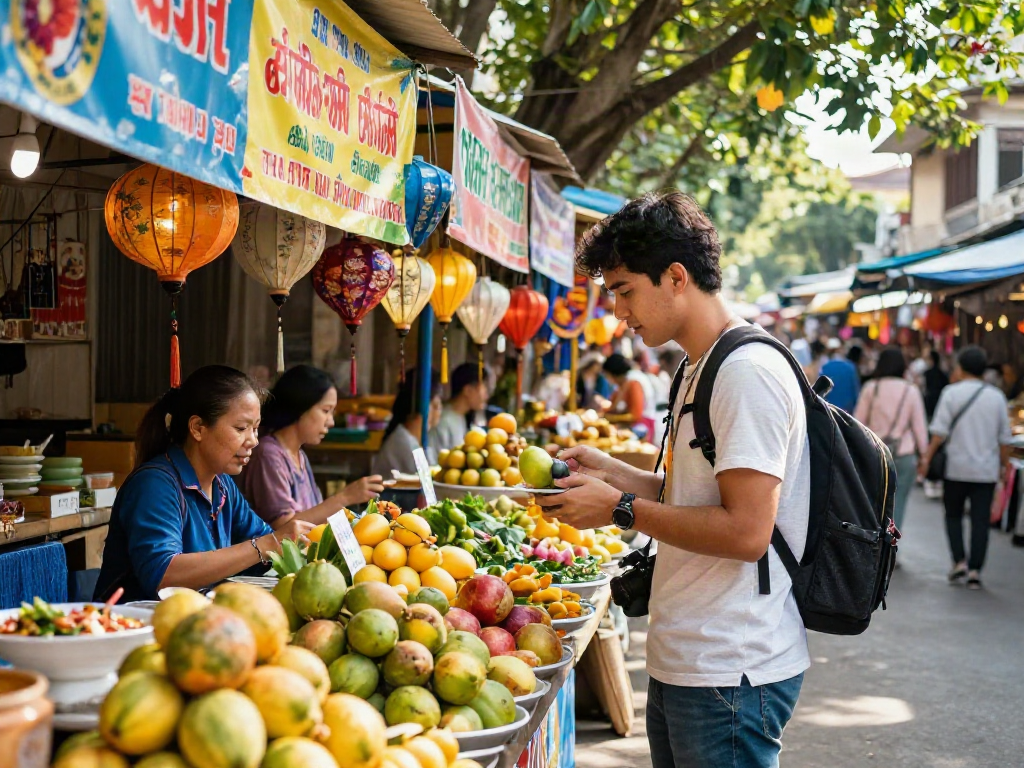
The street food scene in Vietnam is legendary. From sizzling seafood to fragrant rice dishes, exploring local food stalls is an adventure in itself. Popular areas like Hoan Kiem Lake in Hanoi or Ben Thanh Market in Ho Chi Minh City are perfect spots to sample a variety of dishes. Always look for busy stalls, as they often indicate freshness and popularity.
Future Trends in Vietnamese Tourism and What to Expect by 2026
As we look to the future, the tourism landscape in Vietnam is poised for further evolution. Emerging trends and technological advancements are reshaping how travelers experience this beautiful country.
Emerging Travel Trends Shaping Vietnam’s Future
The future of Vietnamese tourism is likely to witness a shift towards sustainable and responsible travel practices. Awareness about environmental conservation among travelers is on the rise, driving demand for eco-friendly experiences. Tours that emphasize local culture, sustainability, and community involvement are expected to gain traction.
The Impact of Technology on Travel Experiences
Technology continues to play a significant role in enhancing travel experiences in Vietnam. Mobile applications for booking accommodations, providing real-time transportation updates, and facilitating online payment options are becoming commonplace. Virtual tours and augmented reality experiences may soon become integral to how travelers explore Vietnam remotely before their visit.
Sustainability and Eco-Tourism in Vietnam
Sustainability is becoming increasingly important in Vietnam's tourism strategy. The government and local businesses are focusing on eco-tourism initiatives that conserve resources while promoting tourism. This includes the protection of natural areas, wildlife, and cultural heritage sites, ensuring that future generations can also enjoy the beauty of Vietnam.
What are the top destinations to visit in Vietnam?
Vietnam boasts numerous destinations that cater to varied interests. Popular spots include the natural beauty of Ha Long Bay, the historic city of Hue, the cultural gem of Hoi An, and the vibrant capital city, Hanoi. Each location offers distinct experiences, from breathtaking landscapes to rich history and culture.
How can I travel safely during my visit to Vietnam?
Traveling safely in Vietnam involves being aware of your surroundings, handling your belongings with care, and respecting local customs. Opt for reputable transportation services and be cautious when exploring nightlife. Keeping emergency numbers handy and knowing basic phrases in Vietnamese can also enhance your safety.
What local dishes should I try while in Vietnam?
Essential local dishes to try in Vietnam include Pho, Banh Mi, and spring rolls. Each region also offers unique specialties, such as the seafood of Nha Trang or the grilled delicacies of Hue. Don’t miss the opportunity to explore street food options, as they provide authentic flavors at affordable prices.
What transportation options are available in Vietnam?
Transportation in Vietnam includes domestic flights, trains, buses, and taxis. Travelers can also use motorbike taxis or rent bicycles for a more local experience. Familiarizing yourself with the transportation infrastructure can help you navigate the country efficiently.
How has the tourism landscape changed in Vietnam over time?
The tourism landscape in Vietnam has evolved from a focus on eco-tourism in the 1990s to a broader spectrum that now includes adventure, luxury, and cultural tourism. This shift reflects changing tourist preferences and the country’s efforts to develop its tourism sector while preserving its cultural identity.