
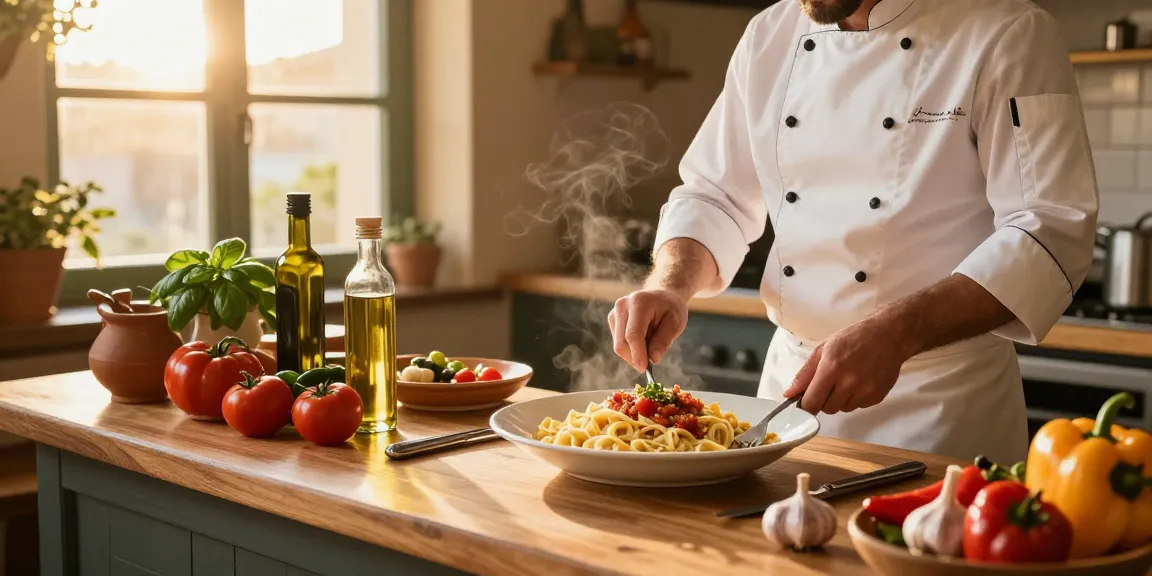
Exploring the Rich Heritage of Italian Food
Italian cuisine is a tapestry of flavors, traditions, and regional dishes that has captivated food lovers across the globe. The country’s rich culinary history is deeply intertwined with the land, culture, and practices of its people. This unique blend of factors results in a culinary experience that is not only diverse but also rooted in authenticity. From the sun-kissed tomatoes of the south to the fragrant truffles of the north, each ingredient tells a story. When exploring options, Italian Food offers a way to embrace this heritage, bringing the essence of Italy straight to your kitchen.
What Defines Authentic Italian Cuisine?
Authentic Italian cuisine is characterized by its emphasis on fresh, high-quality ingredients and traditional cooking methods. Rather than relying on elaborate techniques, Italian dishes typically highlight the natural flavors of their components. Simplicity is key; a few well-chosen ingredients can transform a meal. Moreover, regional variations reflect Italy’s diverse geography, influencing which ingredients are available and which dishes are popular. For instance, while basil and tomatoes are staples in southern Italy, northern regions often incorporate richer ingredients like butter and cream.
The Importance of Regional Ingredients in Italian Cooking
The heart of Italian food lies in its regional ingredients, each contributing to the unique flavors of local dishes. Italy is divided into 20 regions, each boasting its own specialties based on agricultural production. For example, Emilia-Romagna is famous for its Parmigiano-Reggiano cheese and prosciutto, while Campania is renowned for its San Marzano tomatoes. By using local produce, Italian chefs create dishes that are not only fresher but also imbued with a sense of place. Understanding these regional distinctions allows home cooks to appreciate and recreate authentic flavors.
Understanding the Art of Traditional Italian Recipes
Traditional Italian recipes often have deep roots in the culture and history of Italy. Many such recipes have been passed down through generations, evolving slightly over time but maintaining their core identity. For instance, the classic dish of lasagna originates from the Emilian region and is characterized by its layers of pasta, rich ragù, béchamel sauce, and Parmigiano cheese. Each region adds its own twist, showcasing local produce and flavors. Mastering these recipes not only connects you to Italy’s rich culinary past but also enriches your cooking repertoire.
Key Ingredients that Enhance Italian Dishes
Common Staples in Italian Food: Olive Oil, Pasta, and More
Olive oil is often referred to as the cornerstone of Italian cooking. Its complexity in flavor and health benefits make it an essential ingredient in a variety of dishes, from dressings to sautéing vegetables. Similarly, pasta serves as the foundation for countless recipes, with fresh options being the preferred choice in many Italian homes. Understanding how to select and utilize these staples can elevate home-cooked meals, bringing the true taste of Italy into your kitchen.
The Role of Fresh Produce in Italian Cooking
Fresh produce forms the backbone of Italian cuisine, with seasonal fruits and vegetables celebrated in countless dishes. Tomatoes, artichokes, zucchini, and leafy greens are just a few examples of the bountiful produce featured in Italian cooking. Italians have a long-standing love affair with their gardens, harnessing the flavors of seasonality to create vibrant, flavorful meals. This commitment to freshness not only enhances the taste but also promotes healthy eating.
Herbs and Spices: Elevating Flavors in Italian Recipes
Herbs play a pivotal role in amplifying the flavors of Italian dishes. Basil, oregano, rosemary, and parsley are commonly used to infuse dishes with aromatic notes. Understanding how to pair these herbs with specific ingredients can create harmonious flavor combinations. For example, fresh basil is often paired with tomatoes in salads and sauces, while rosemary complements roasted meats beautifully. These combinations reflect the seasonality and regional diversity of Italian cooking, making every dish a celebration of flavor.
Mastering Popular Italian Cooking Techniques
How to Make Fresh Pasta from Scratch
Making fresh pasta is a cherished tradition in Italian kitchens, and while it may seem daunting at first, the process is rewarding and surprisingly straightforward. Typically, all that is required are flour, eggs, and some elbow grease! Start by making a well with flour on a clean surface, adding eggs in the center, and gradually incorporating the flour until a dough forms. Knead until smooth, then roll out to your desired thickness. The result is homemade pasta that surpasses any store-bought option.
The Art of Risotto: A Step-by-Step Guide
Risotto is another Italian staple that exemplifies the beauty of simplicity. The key to mastering risotto lies in the selection of ingredients and the cooking technique. Begin with Arborio rice, which absorbs liquid and releases starch during cooking, creating a creamy texture. Sauté onions in olive oil, add the rice, and ladle in broth gradually, stirring constantly. The result is a creamy, deeply flavorful dish that can be customized with seasonal vegetables, seafood, or cheeses.
Mastering Sauces: Marinara, Pesto, and Beyond
Sauces are essential in Italian cuisine, serving as both a flavor boost and a way to unify components in a dish. Classic sauces such as marinara, pesto, and béchamel are foundational elements that can transform simple ingredients into exquisite meals. For instance, a homemade marinara sauce made with fresh tomatoes, garlic, and aromatic herbs serves as a perfect base for pasta dishes. Understanding these sauces’ components and techniques allows for creativity and adaptation in your cooking.
Creating Memorable Dining Experiences with Italian Food
Setting the Table: Italian Dinner Etiquette
Dinner in Italy is often a time for gathering, sharing, and enjoying food and each other’s company. Setting the table properly is part of the experience. Use simple yet elegant tableware, and consider incorporating a few decorative items that reflect Italian culture, such as small vases of fresh flowers or candles. It’s essential to follow traditional Italian dining etiquette by serving courses in the proper sequence and encouraging relaxed conversation throughout the meal.
Pairing Italian Food with Wines: A Complete Guide
Wine pairing is an art in Italian dining, with each dish ideally matched with the right wine to enhance the overall experience. The rule of thumb is to consider the dish’s richness and flavor profile. For lighter fare, such as seafood pasta, a crisp white wine like Pinot Grigio may be suitable, while robust meat dishes pair better with full-bodied reds like Chianti. Exploring these pairing fundamentals can significantly enhance the enjoyment of your meal.
Hosting Italian-Themed Gatherings at Home
Hosting an Italian-themed gathering can be a delightful way to share culinary traditions with friends and family. Start by curating a menu that highlights regional specialties, offering a mix of antipasti, pasta, and a decadent dessert like tiramisu. Enhance the ambiance with Italian music and decor that reflects the warmth of Italian hospitality. By providing a genuine Italian experience, you can create lasting memories for your guests.
Future Trends in Italian Food for 2026 and Beyond
Adapting Traditional Recipes for Modern Diets
As dietary preferences evolve, Italian cuisine is adapting to meet new demands. Gluten-free pasta and plant-based alternatives are becoming increasingly popular, allowing those with specific dietary needs to enjoy traditional Italian flavors. By reinterpreting classic recipes, chefs continue to keep the essence of Italian cooking alive while making it accessible to a broader audience.
Sustainable Practices in Italian Food Production
Sustainability is becoming a vital consideration in Italian food production, with more emphasis placed on organic farming and local sourcing. Many Italian producers are adopting sustainable practices that minimize environmental impact while preserving the integrity of their ingredients. This shift not only benefits the environment but also enhances the quality of the food, creating a more authentic and delicious culinary experience.
Emerging Italian Food Trends and Innovations
Innovation is an integral part of growing the Italian culinary landscape. Trends such as the fusion of Italian techniques with international cuisines are gaining traction, allowing chefs to create exciting new dishes that maintain Italian roots. Additionally, advancements in technology are transforming how food is prepared and preserved, leading to new methods that enhance flavor without sacrificing authenticity. The future of Italian food is bright, promising to blend tradition with modernity in exciting ways.
What are the most common Italian food recipes?
Common Italian recipes include classics like spaghetti carbonara, lasagna, and risotto. Each of these dishes showcases essential Italian ingredients and techniques, making them staples not only in Italian households but around the world.
How can I prepare traditional Italian dishes at home?
Gathering the right ingredients and understanding traditional cooking methods are key to preparing authentic Italian dishes at home. Utilizing fresh, high-quality produce and practicing your techniques will help you recreate the flavors of Italy in your kitchen.
What ingredients are essential for authentic Italian cooking?
Essential ingredients for Italian cooking include high-quality olive oil, fresh pasta, aromatic herbs, seasonal vegetables, and ripe tomatoes. These staples form the foundation of many beloved Italian recipes.
How has Italian cuisine evolved over the years?
Italian cuisine has evolved through the influences of various cultures and regions, incorporating new ingredients and techniques while maintaining its core traditions. This evolution allows the cuisine to adapt and remain relevant in a changing world.
What are some tips for hosting an Italian dinner?
To host an Italian dinner, focus on creating a warm and inviting atmosphere, curate a menu that highlights regional specialties, and encourage relaxed conversation among your guests. Remember, the goal is to celebrate food and fellowship in true Italian spirit!
